

About our brickwork service
Amber Brickworks & Landscapes builds, repairs and restores brickwork for homes in Haverhill, Suffolk and within about 20 miles. That covers garden and boundary walls, repointing, brick replacement, chimney stacks, piers and railings, and interior feature brickwork.
Good brickwork starts below ground and ends with the details people notice: straight courses, consistent joints, a mortar colour that suits the brick and a coping that keeps the weather out. We work in new facing brick and in reclaimed brick, and in lime mortar where an older wall calls for it.
What we do
- Garden, boundary and retaining walls
- Front walls with piers, copings and railings
- Rebuilding failed or leaning walls in matching brick
- Repointing and individual brick replacement
- Chimney stack rebuilds, flaunching and pots
- Reclaimed brick and lime mortar work on period properties
- Raised planters, plinths and garden features
- Interior feature walls and fireplace surrounds
Quick facts
Quick fact
Repointing
Repointing means raking out the worn outer part of the mortar joints and refilling them with fresh mortar. It restores the weatherproofing of a wall without rebuilding it.
A wall needs repointing when the mortar has receded, crumbles when scraped or has open gaps. Left alone, water gets in, freezes and starts to break the faces off the bricks.
Quick fact
Lime vs cement
Most houses built before about 1920 were laid in lime mortar, which is softer and more breathable than the brick. Moisture escapes through the joints, and the mortar takes the wear.
Cement mortar is harder and far less permeable. Used on soft old bricks it traps moisture in the brick, which then flakes and crumbles. Old walls should be repointed in lime; modern cavity walls are normally built and repaired in cement-based mortar.
Quick fact
Copings
A coping is the protective top of a wall: a brick-on-edge course, shaped coping bricks or stone. It sheds rain so water does not soak down through the wall.
A failed or missing coping is the most common reason garden walls deteriorate. Replacing it early is far cheaper than rebuilding the wall later.
Quick fact
Garden walls & planning
In England you can normally build or replace a wall without planning permission if it is no more than 1 metre high next to a road used by vehicles, or 2 metres high elsewhere.
Different rules apply to listed buildings and their grounds, and taking down walls in a conservation area can need permission. Some newer estates also have covenants. Check with your local planning authority if in doubt.
Garden and boundary walls
A freestanding wall has to resist wind and ground movement with no building to lean on, so it needs a concrete footing sized for its height, piers or returns at intervals, and movement joints on longer runs.
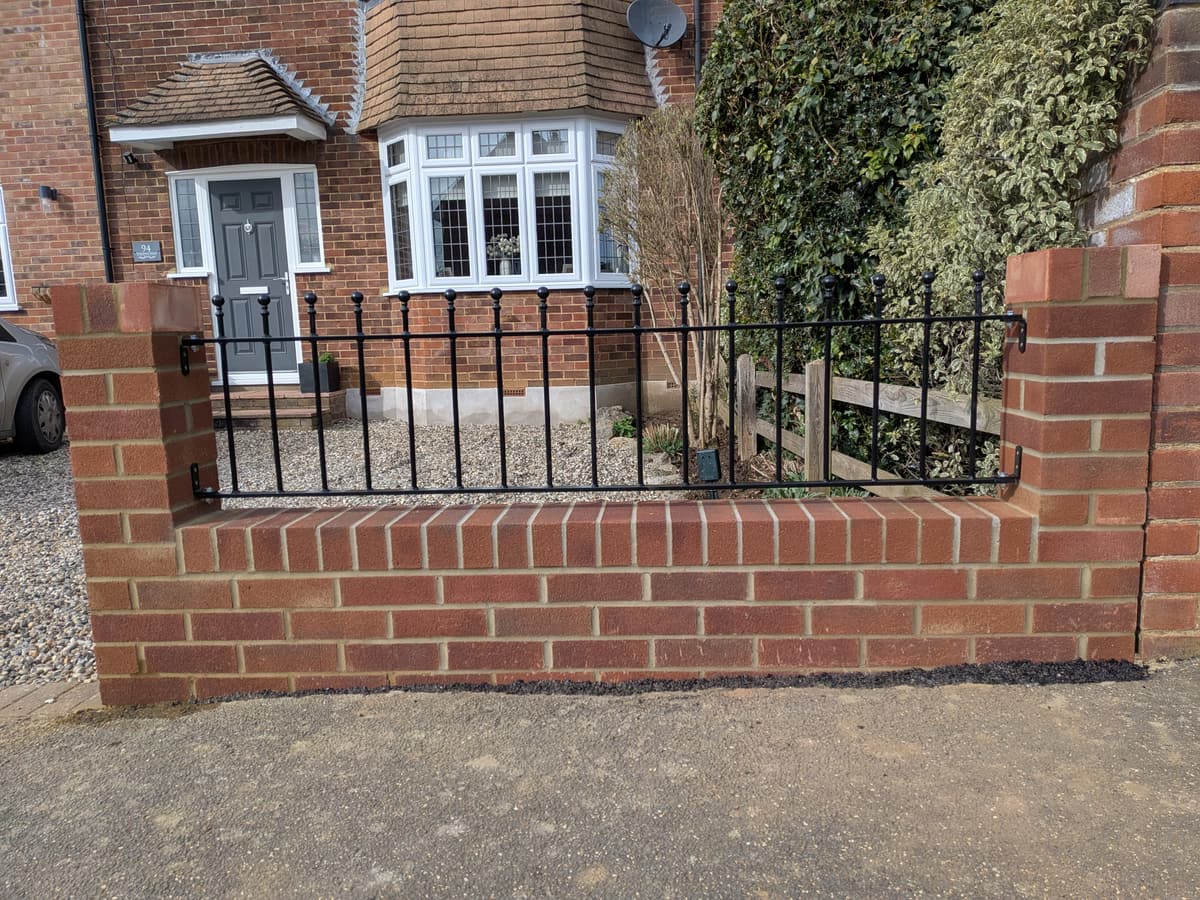
We build low front walls, taller garden walls and retaining walls, finished with brick-on-edge or shaped copings, and with piers, gates or railings where wanted.
Repairs, repointing and matching
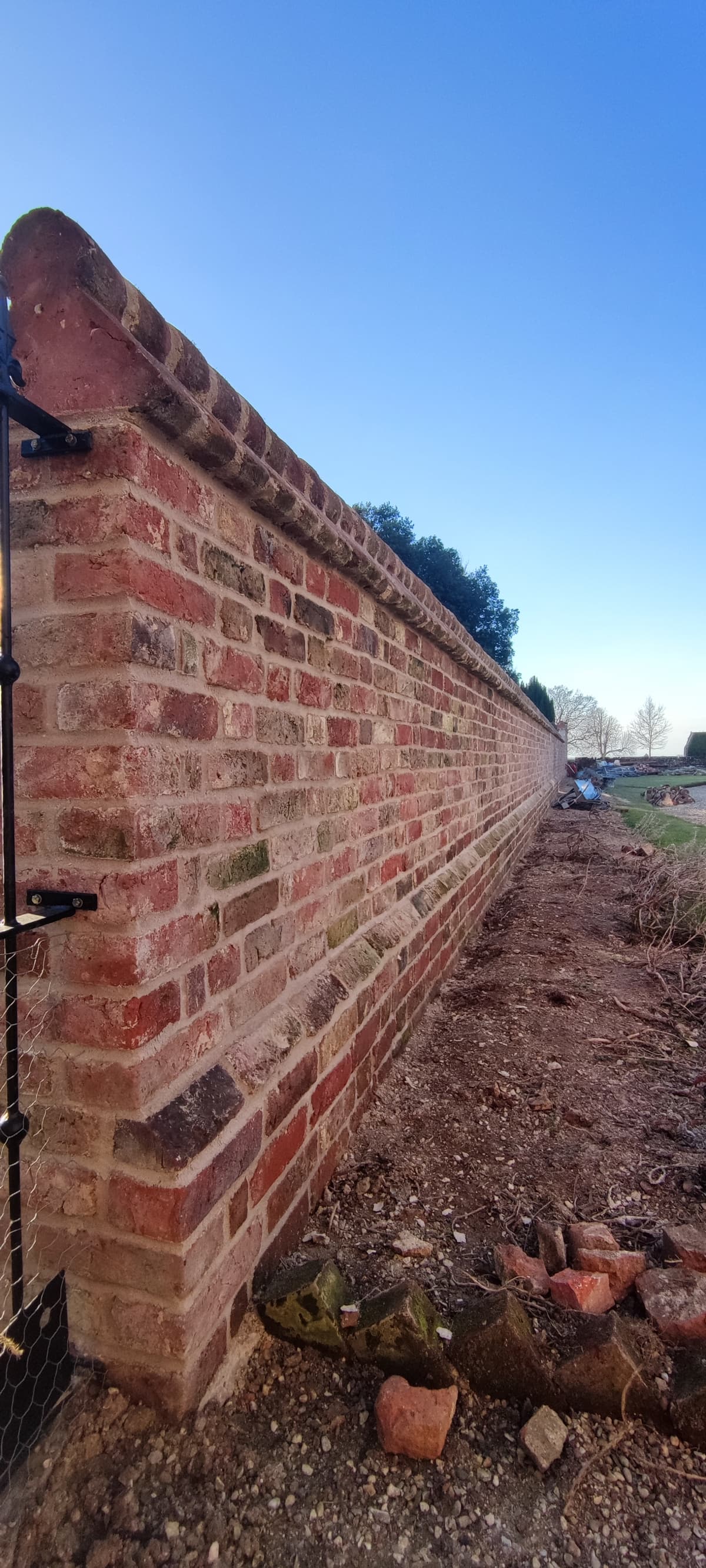
Most repair work is about blending in. We match the brick for size, colour and texture, use the same bond, and tint and finish the mortar to suit the surrounding joints.
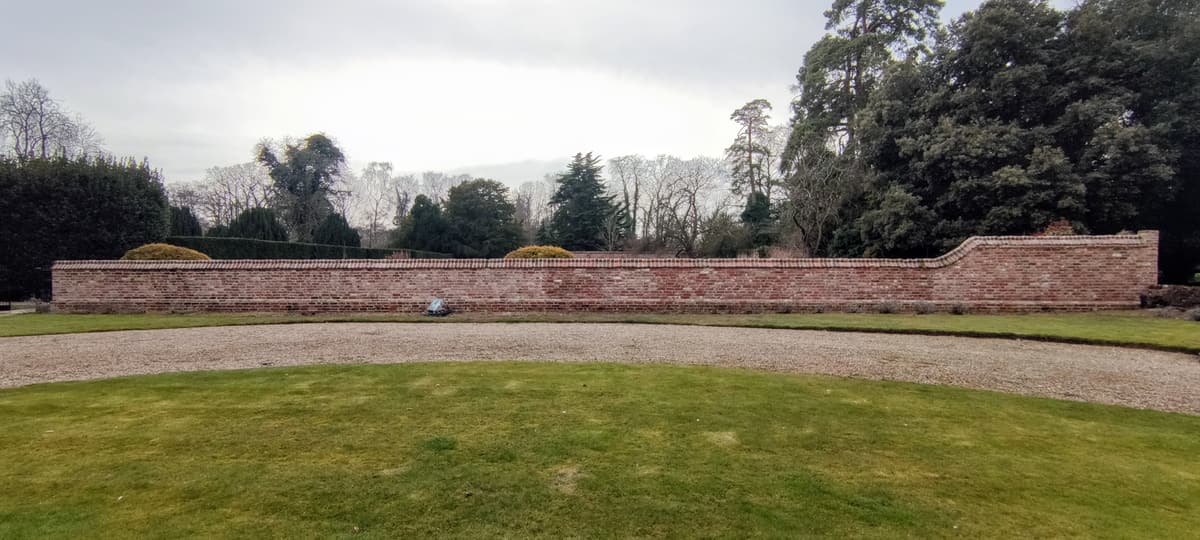
For older properties we use reclaimed bricks and lime mortar. The period garden wall on our projects page was rebuilt this way, and from a few steps back it reads as an old wall.
Chimneys
Chimney stacks take more weather than any other part of a house. When the mortar fails, bricks loosen and water finds its way inside.
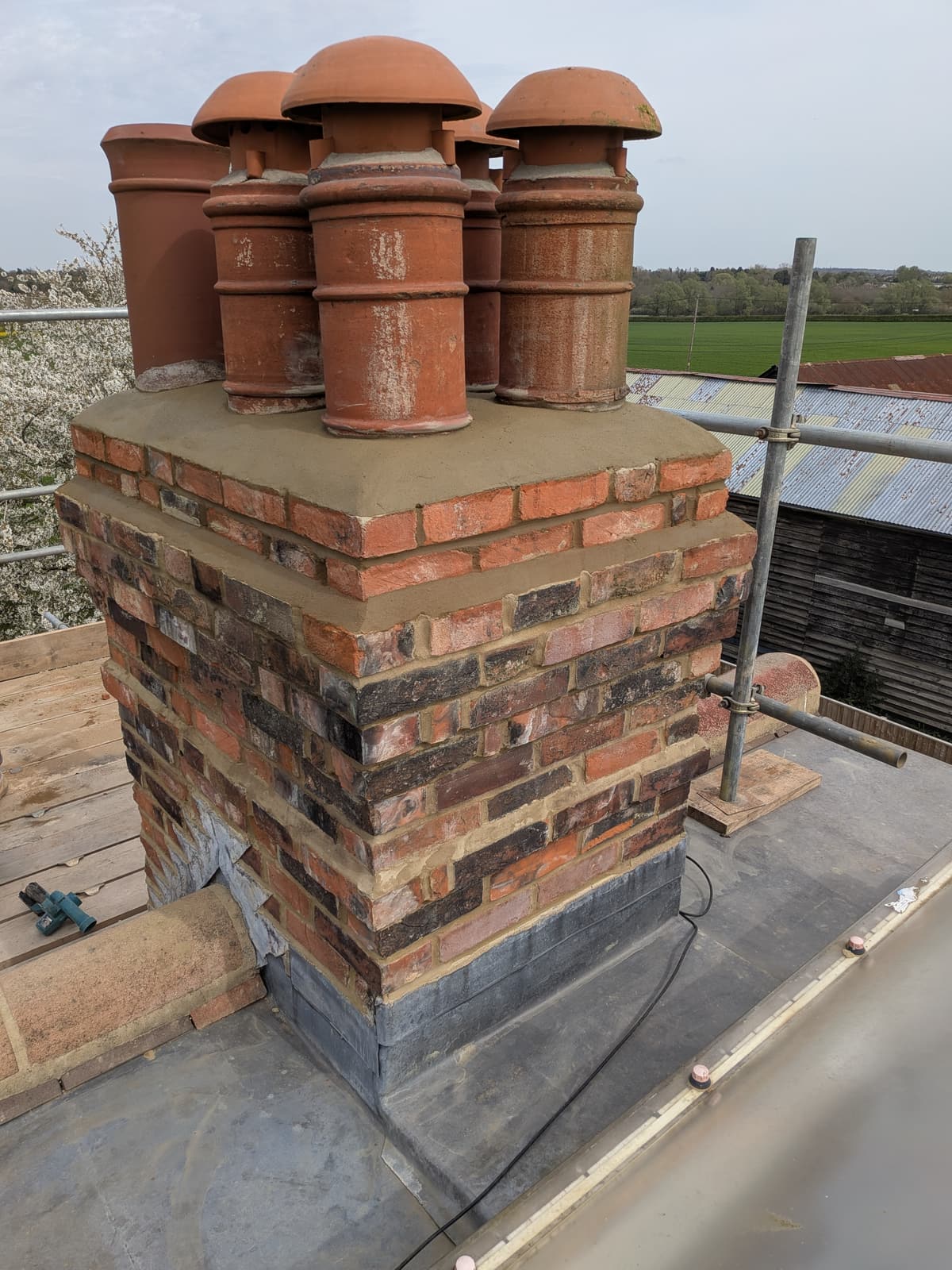
We rebuild stacks from the roof line up, with corbelled courses to throw water clear, new flaunching to bed the pots, and lead flashing where the stack meets the roof.
Step by step
How a wall is built
Footing
A concrete strip footing is dug and poured below the frost line, wider than the wall it carries.
Setting out
Corners and piers are raised first and string lines run between them so every course is level.
Laying
Bricks are laid to the chosen bond with full, even joints, and checked for line, level and plumb as the wall rises.
Coping and pointing
The coping goes on, joints are finished to a consistent profile and the face is cleaned down.
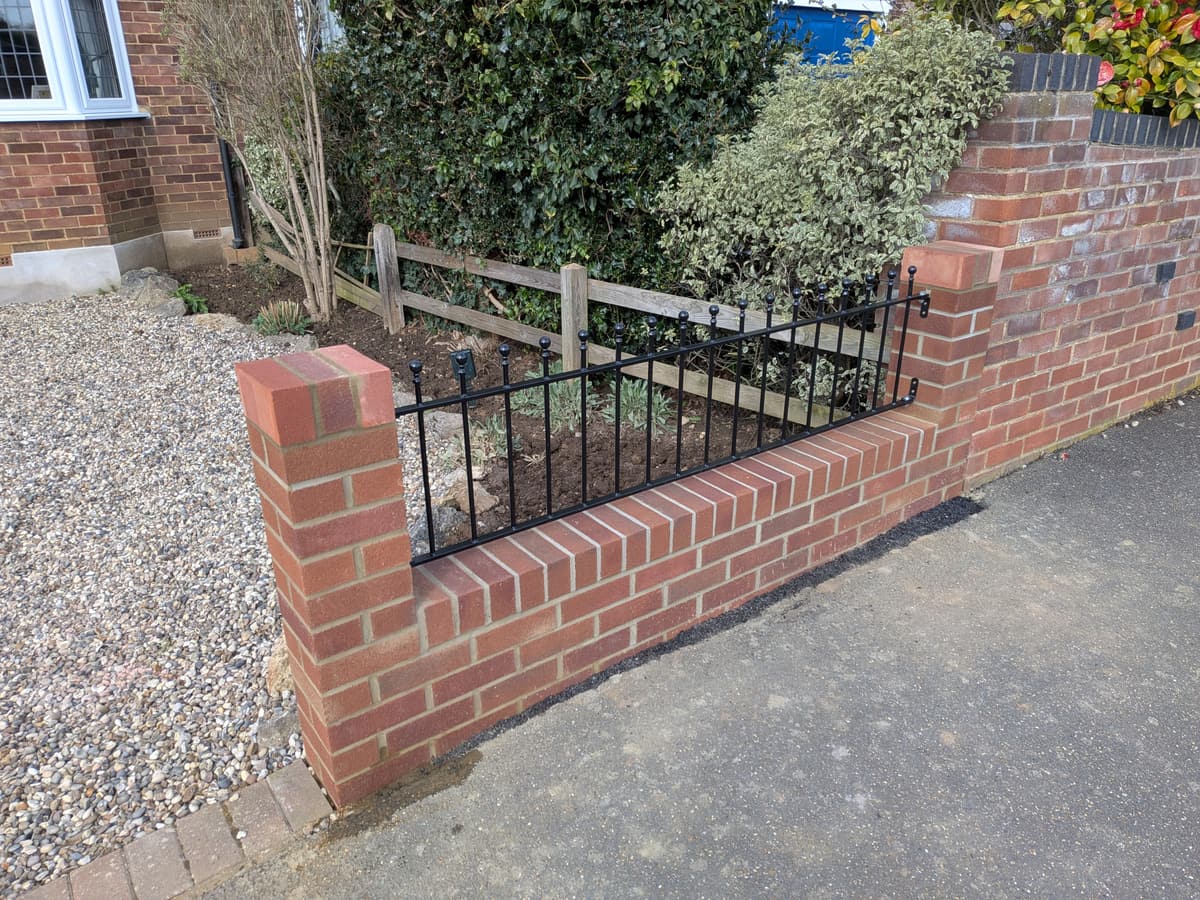
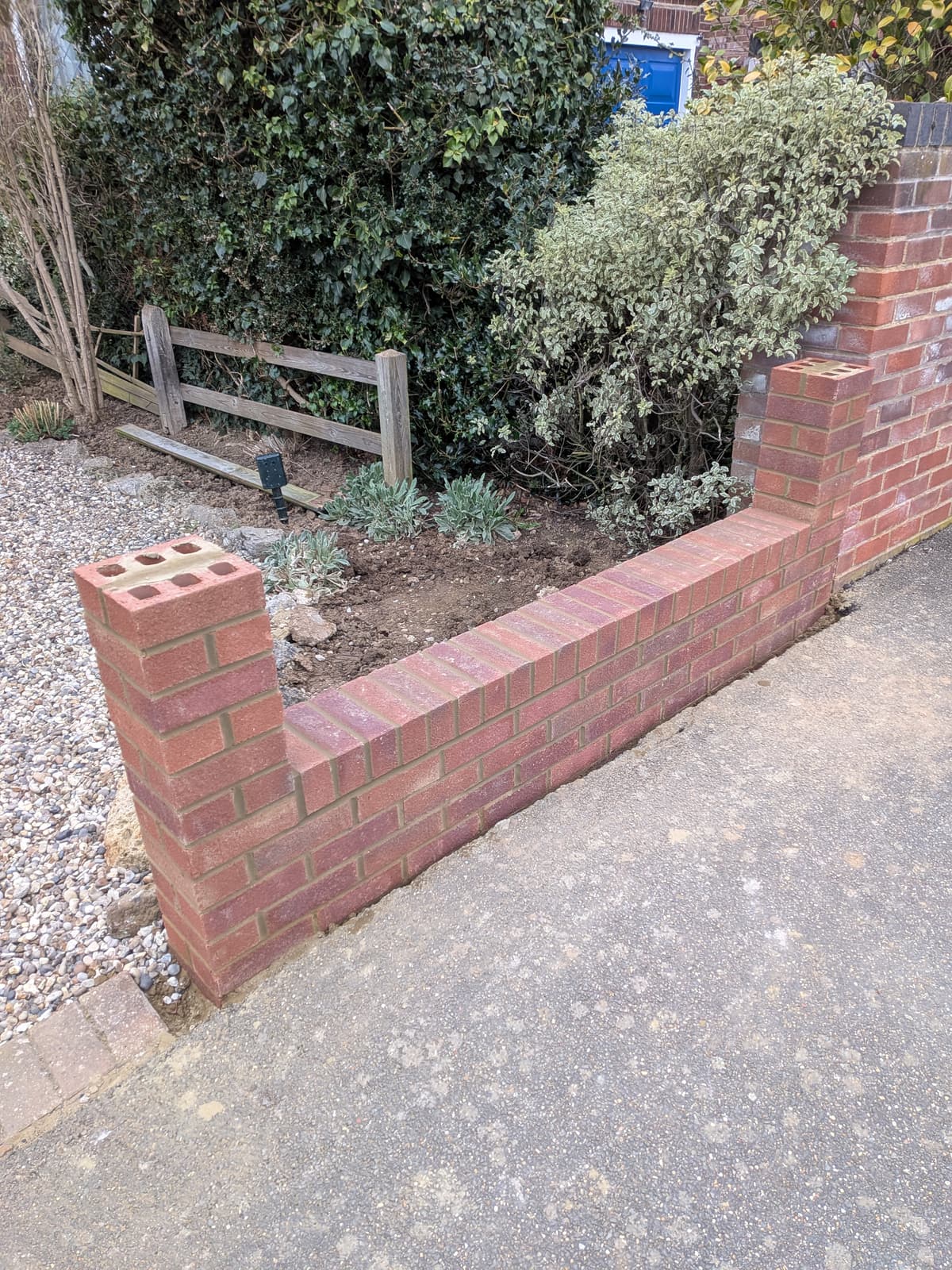
Before & after
Brickwork in practice
We photograph jobs at each stage so you can see the preparation as well as the finish. Follow this one from start to end on its project page.
Projects
Recent brickwork work
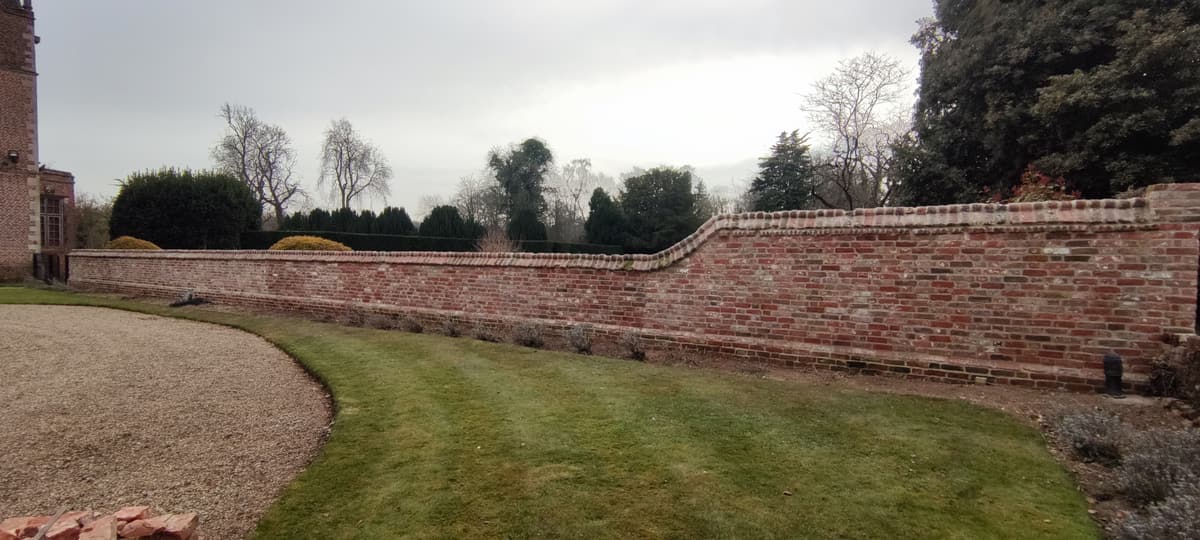
Period garden wall rebuilt in reclaimed brick
October 2024 to March 2025
View the storyFront garden wall with piers and railings
March 2026
View the story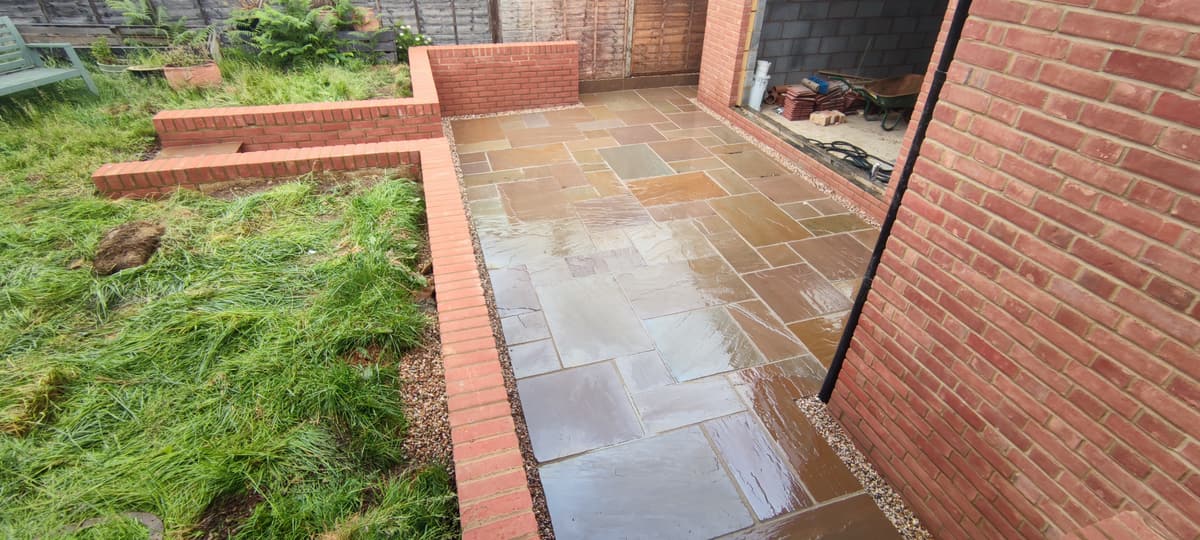
Sandstone patio with brick retaining walls
June 2025
View the story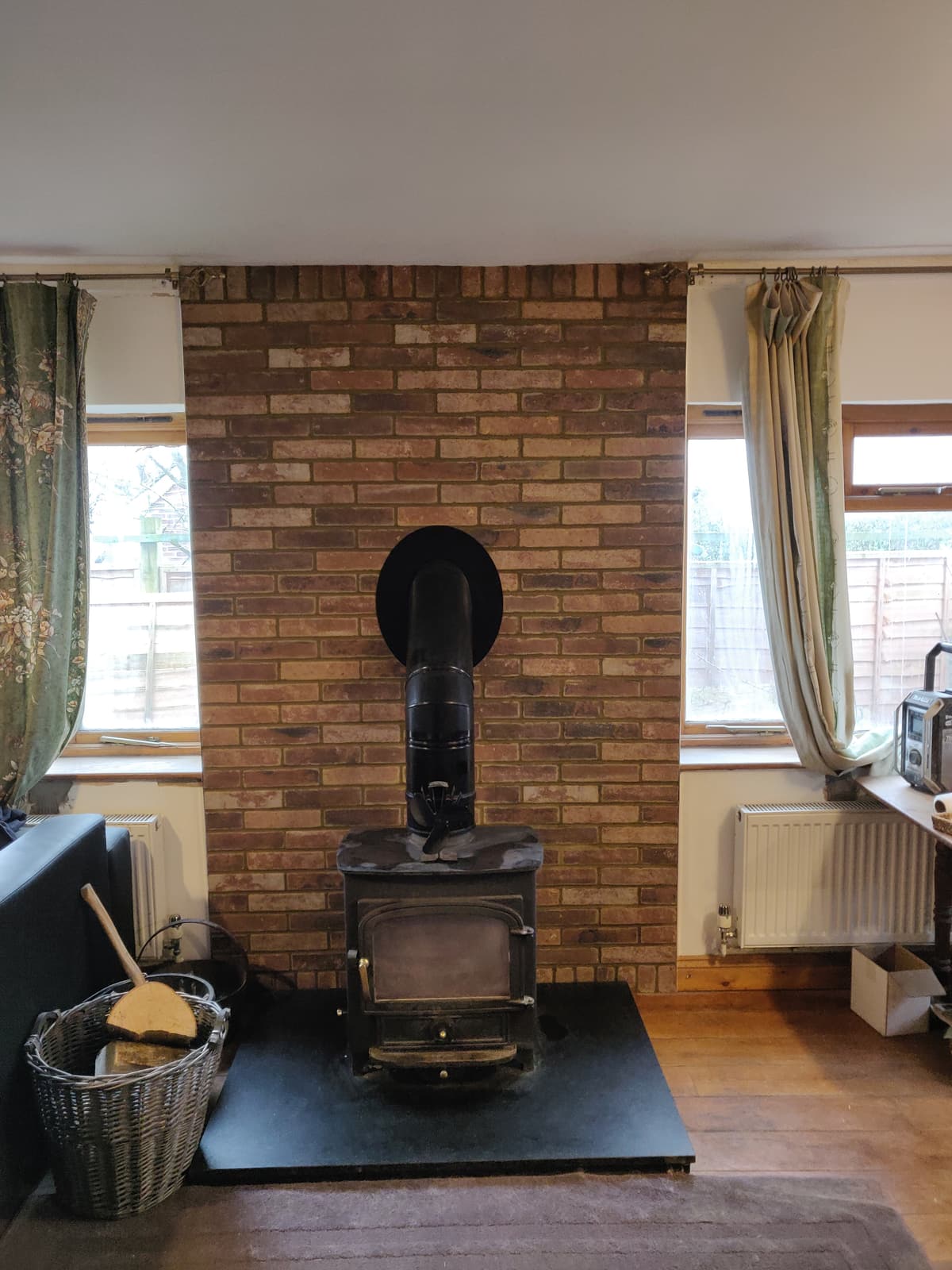
Brick chimney breast for a wood burner
March 2023
View the story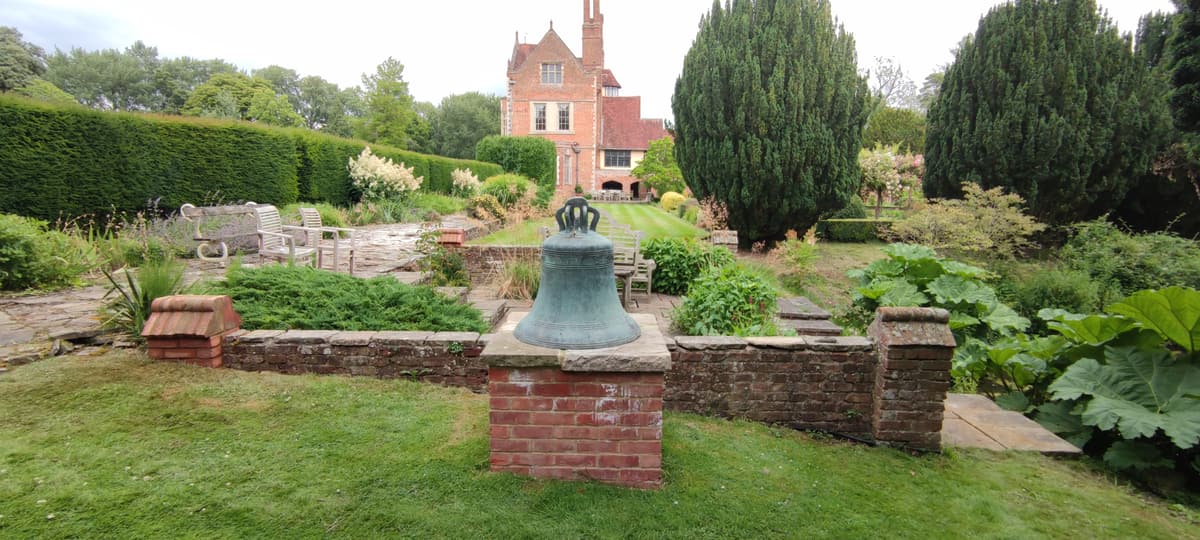
Brick plinth for a garden bell
March to July 2024
View the storyChimney stack rebuilds
June 2025 and April 2026
View the storyQuestions
Brickwork: common questions
What brickwork do you take on?
Garden and boundary walls, retaining walls, front walls with piers and railings, repointing, brick replacement, chimney rebuilds, planters and plinths, interior feature walls, and the brickwork for extensions and outbuildings.
Can you match my existing bricks?
Usually. We compare sample bricks against your wall in daylight and use reclaimed bricks where a new product will not blend. We also match the bond and the mortar colour, which matters as much as the brick.
How deep does the footing for a garden wall need to be?
It depends on the height of the wall and the ground. As a general guide, a low garden wall needs a concrete footing at least 150 mm thick, two to three times the width of the wall, founded on firm ground below the topsoil. Taller walls and clay soils need more.
Do you work on listed and period properties?
Yes. We repair and rebuild older brickwork using reclaimed or handmade bricks and lime mortar. If the work needs listed building consent, that has to be in place before we start.
Can brickwork be done in winter?
Yes, with care. Mortar should not be laid when the temperature is at or near freezing, and new work is covered overnight in cold weather. Lime mortar is more sensitive to frost than cement, so lime work is best planned for milder months.
Where we work
Brickwork near you
We are based in Haverhill and cover the towns and villages within about 20 miles.
Get a quote
Planning some brickwork?
Call Andrew Martin or send a few details and photos, and we will arrange a visit to look at the job and give you a written quote.
07876 762956